
Compare Three Bronx Property Value Numbers
A Bronx property value search can turn up several different numbers. DOF market value is an estimate from the assessor. Assessed value applies the legal level and its caps. A sale amount recorded in PIP or ACRIS is transaction data, not a valuation, and none of these should stand in for another.
| Value type | Meaning | Official record |
|---|---|---|
| Market value | DOF estimate for assessment | NOPV, roll, PIP |
| Assessed value | Value after statutory assessment level | Assessment card and roll |
| Taxable value | Value after applicable adjustments | Exemption and bill records |
| Recorded sale | Consideration reported for a transfer | PIP Sales and ACRIS deed |
Apply New York City Assessment Levels
Class 1 property is generally assessed at 6 percent of market value. Classes 2, 3, and 4 sit at 45 percent. Caps and transitional values complicate both. Know the tax class first. A co-op, a rental building, a utility parcel, and a one-family home do not travel the same path, so ratios only mean something once the class is settled.
Read Ten Years of Bronx Assessment History
PIP can display fiscal year, building class, tax class, land value, improvement value, total assessed value, and percentage change. It reaches across as many as ten years. Stick to one roll stage and one field. A sharp jump may trace to physical work. It may also trace to a classification issue, a phase-in, or a data correction. That is not a matching change in sale price. The official PIP search opens the parcel routes that reach assessment history.
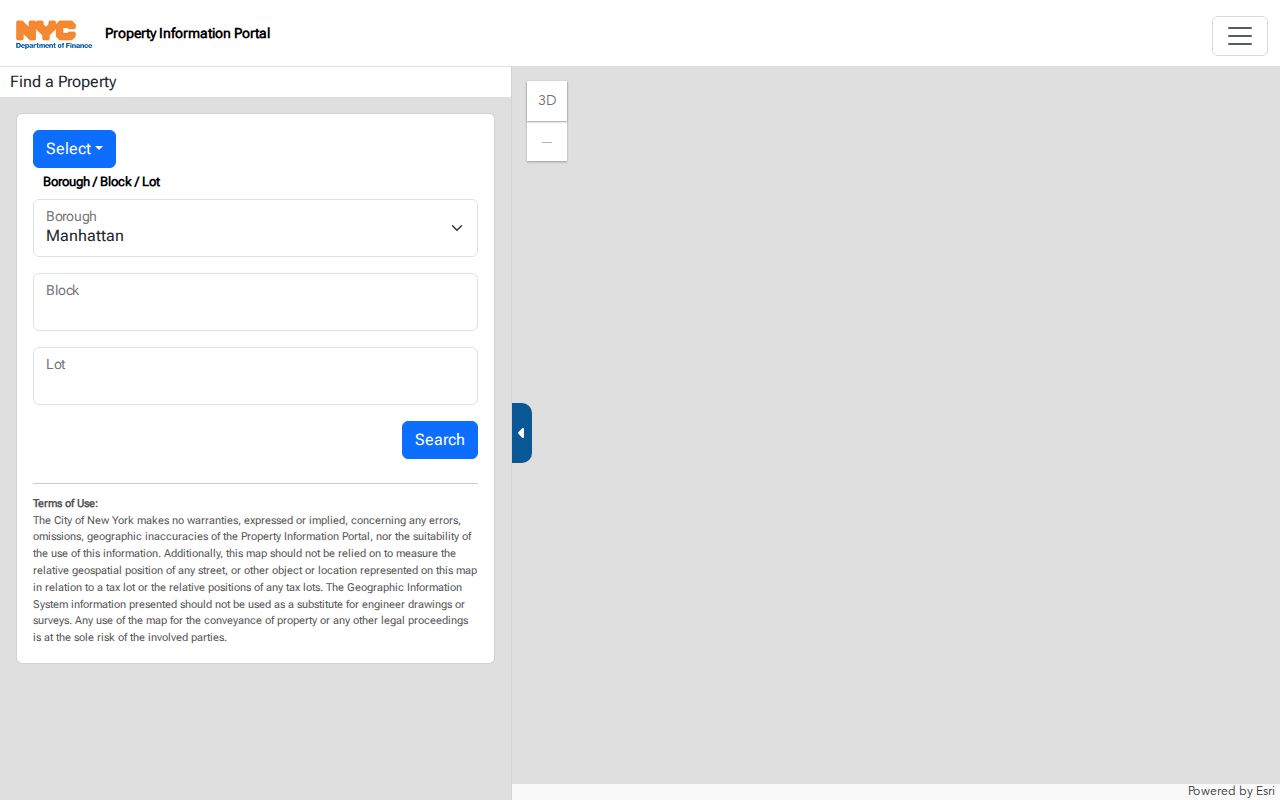
Special parcel modes in PIP keep a condo, co-op, air lot, or subterranean lot tied to the right account. Without them, comparisons drift to the wrong parcel.
Find the Recorded Bronx Sale Price
PIP Sales gives a quick transaction view. ACRIS detail can show document amount, parties, document date, recording date and time, CRFN, and parcel data. Read the deed image too. Partial-interest transfers, related-party conveyances, and fiduciary deeds can make recorded consideration a poor comparable. The ACRIS detail guide lays out the transaction fields.
Match the BBL and document type before using an amount as a sale observation.
Explain Why Bronx Sale and Market Values Diverge
Assessment models rely on annual tax-administration methods and fixed valuation dates. A sale is one transaction. Its timing, financing, and parties are its own. Statutory levels and caps push assessed value further from both, so three accurate numbers can still differ sharply.
Keep Exemptions Separate From Sale Value
An exemption card can list exempt assessed value, taxable assessed value, fiscal year, and code or type. Exemptions change taxation. They never reduce the consideration written into a deed. Abatements and transitional values deserve their own labels too, rather than folding into one generic property value.
Use FY27 Trends as Context, Not an Appraisal
FY27 figures describe citywide roll movement and how assessments are being administered. They are context, not a verdict. Broad trends cannot establish what a Bronx parcel is worth on the market today. To judge value, pull the account's own history, its tax class, the property's physical facts, and recorded deed sales. Note the date attached to each source.
Compare Distinct Bronx Property Types Carefully
A Fieldston house may carry landmark and planned-suburb context. A Pelham Gardens lot may sit in detached or semi-detached zoning patterns. A Co-op City unit ties into a large cooperative development with its own billing structure, and tax class, unit form, parcel identity, and restrictions must match before any comparison helps.
A Bronx Property Value Is Not an Appraisal
A public assessment supports taxation. A GIS record describes an administrative lot. ACRIS reports a recorded transaction, and none of the three includes the inspection, market analysis, title review, or survey work behind other professional conclusions.
Value limit. Assessed value is a tax measure and does not state what the property would sell for today.
Build a Date-Matched Bronx Value Comparison
Start with the subject parcel's BBL, tax class, parcel type, and assessment fiscal year. Record DOF market value in its own column. Do the same for assessed and taxable value. Add exemptions and transitional values next. Labeling keeps a reduced taxable amount from being read as a falling market estimate.
For a sale, use the deed amount with its document date, recording date, parties, interest conveyed, and CRFN. Nominal, related-party, estate, referee, and partial-interest transfers deserve caution. They are not arm's-length sales. The deed image and its related documents supply context the result row alone lacks.
Comparables need more than a shared neighborhood name. Match tax class, building form, unit structure, lot size, and the relevant date. Fieldston landmark context, Pelham Gardens lot patterns, and Co-op City's cooperative structure show why nearby Bronx parcels can demand different interpretation. A citywide roll trend does not erase those differences.
State the source vintage for every figure. Annual assessments follow a valuation and roll cycle, ACRIS reports recorded transactions, and MapPLUTO reflects a published dataset release. Mixed years can invent a false trend. Dating each source keeps the comparison honest and shows when a fresh appraisal or inspection is due.
Building and permit records explain a value change without quantifying it. A permit, alteration, demolition, certificate, or violation can shift an account's standing. It can also shift a buyer's perception. BIS and DOB NOW are regulatory tools, though, not appraisal reports. Before treating any date as context, match the BBL and BIN to the subject parcel. A Bronx property records search works best when every identifier lines up first.
Assessment review and appraisal are different exercises. A DOF Request for Review or a Tax Commission application corrects an administrative assessment. Its own rules govern that correction. It sets no asking price. It guarantees no private valuation either. When the goal is tax relief, follow the current form, tax class, deadline, and evidence requirements. When the goal is an opinion of market value, hire a qualified appraiser who reads the deed records and tax roll alongside the parcel data.
A sound value report labels every number, source, and date. It states the parcel type and tax class. It explains any exemption. It also flags whether a sale looks market-based. It also resists projecting a citywide percentage onto one lot. Those habits keep public property value records honest about their limits.